The whole argument, not a list of quotes. BooksVoyage turns ambitious nonfiction into short, memorable journeys you can understand with the screen off.
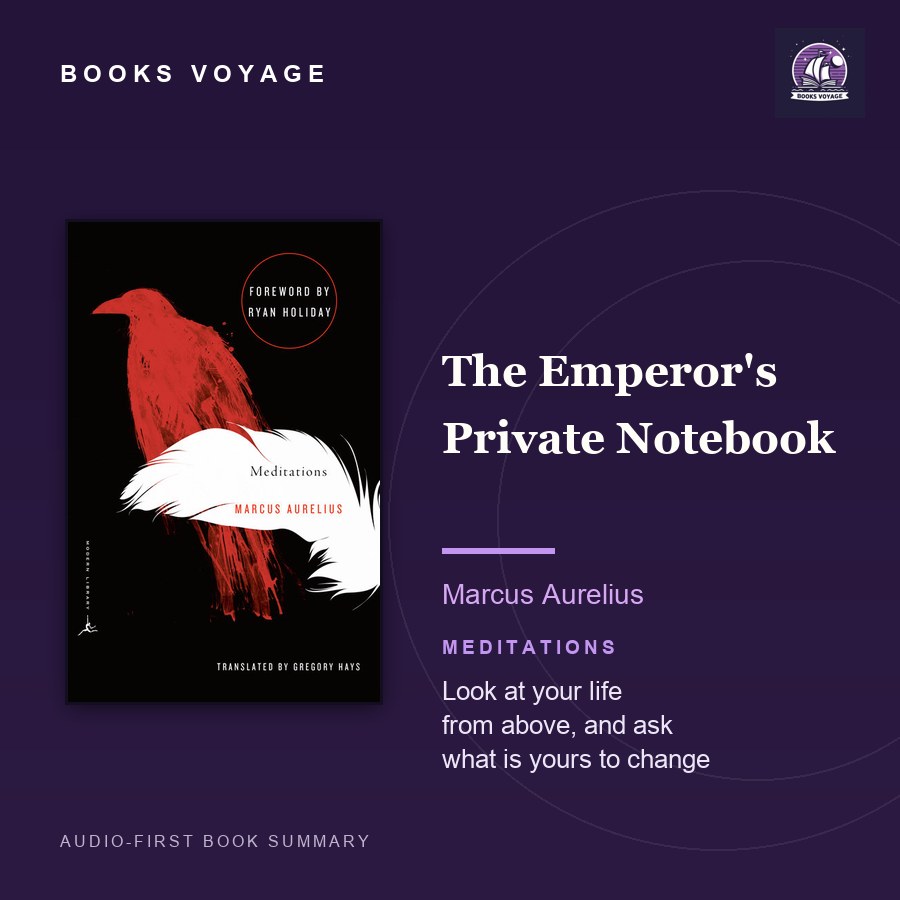
Marcus Aurelius wrote notes to himself, some in army camps on Rome’s frontier. Three ideas keep returning: the pain comes from your opinion of a thing, look at your life from above, and the obstacle becomes the way.
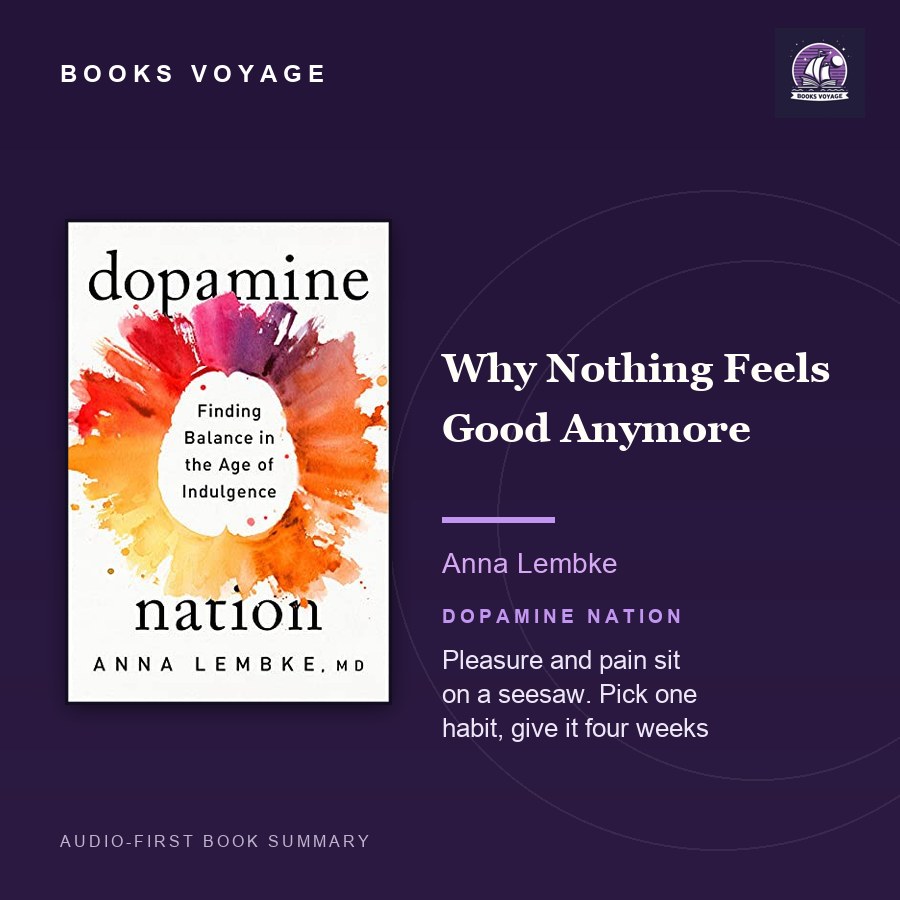
Psychiatrist Anna Lembke describes pleasure and pain as a seesaw in the brain: after every high, it pushes back toward pain. Keep feeding it and you need more just to feel normal.
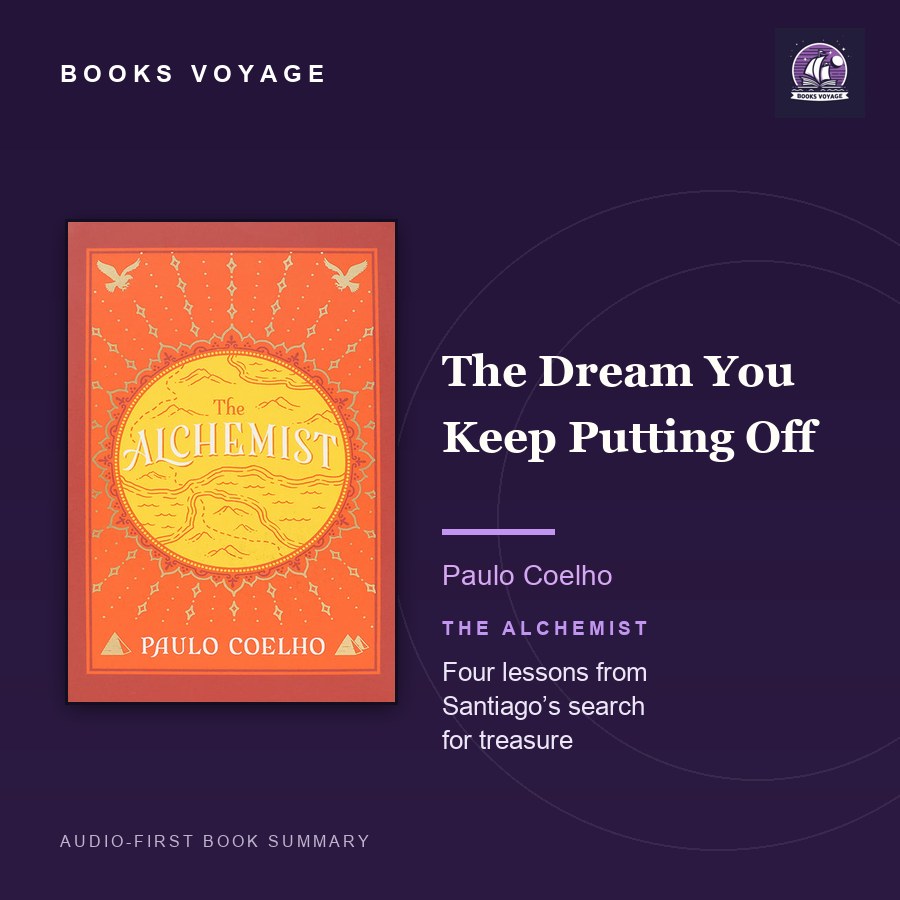
Santiago leaves a safe life to search for treasure. Four lessons from his journey: a safe life can hide fear, you learn by doing even after a loss, love can leave room to grow, and life teaches those who notice.
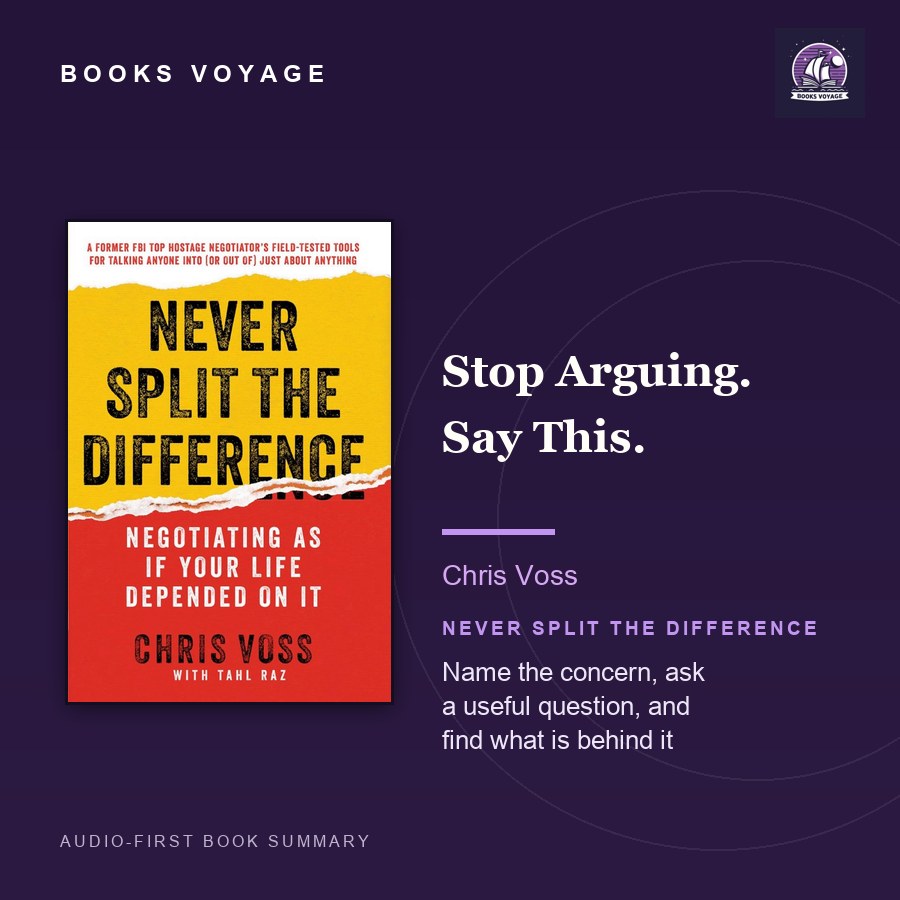
Never Split the Difference · Chris Voss with Tahl Raz
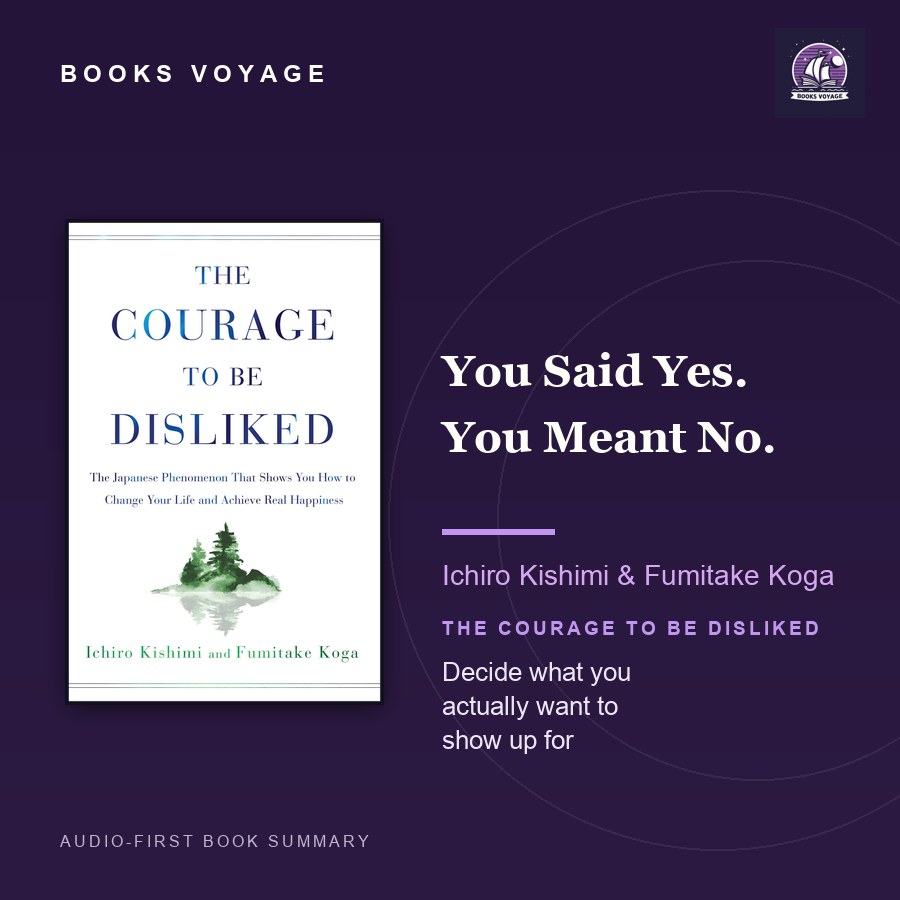
Listening, naming a concern, and asking a useful question can reveal what sits behind a demand. An impossible-deadline example shows the method, then why any agreement still needs a clear plan.
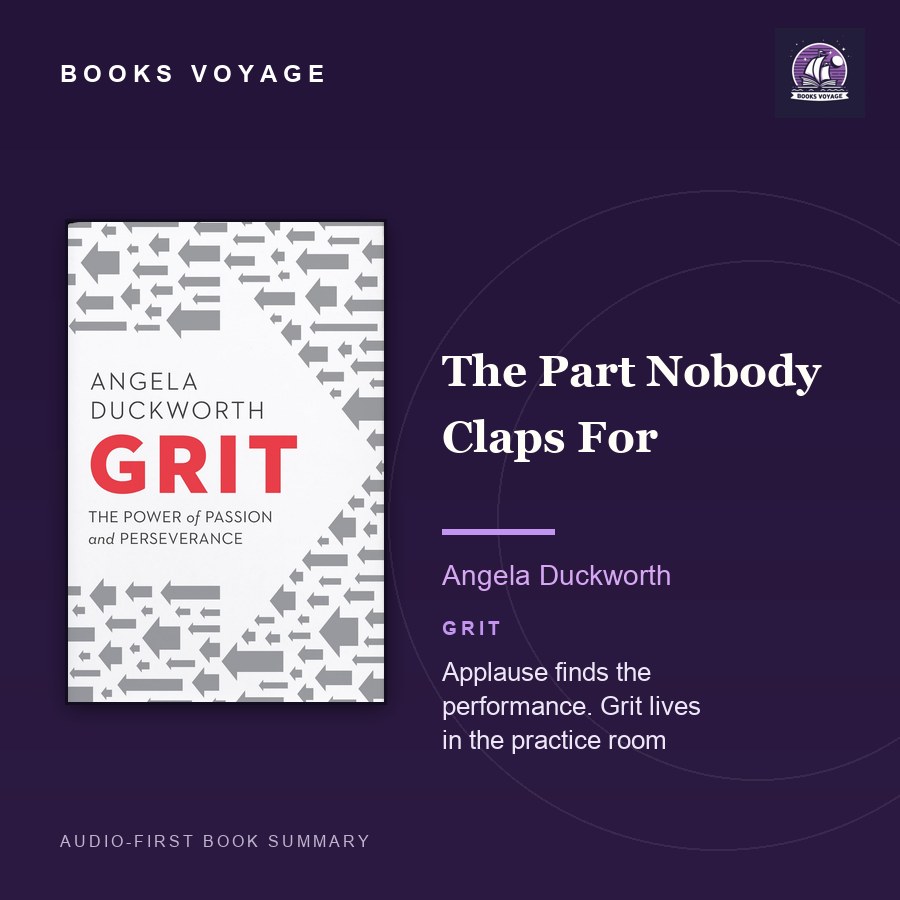
Angela Duckworth on passion and perseverance for long-term goals, told through a fictional pianist: practice, feedback, setbacks, and finding purpose in sharing what she learns.
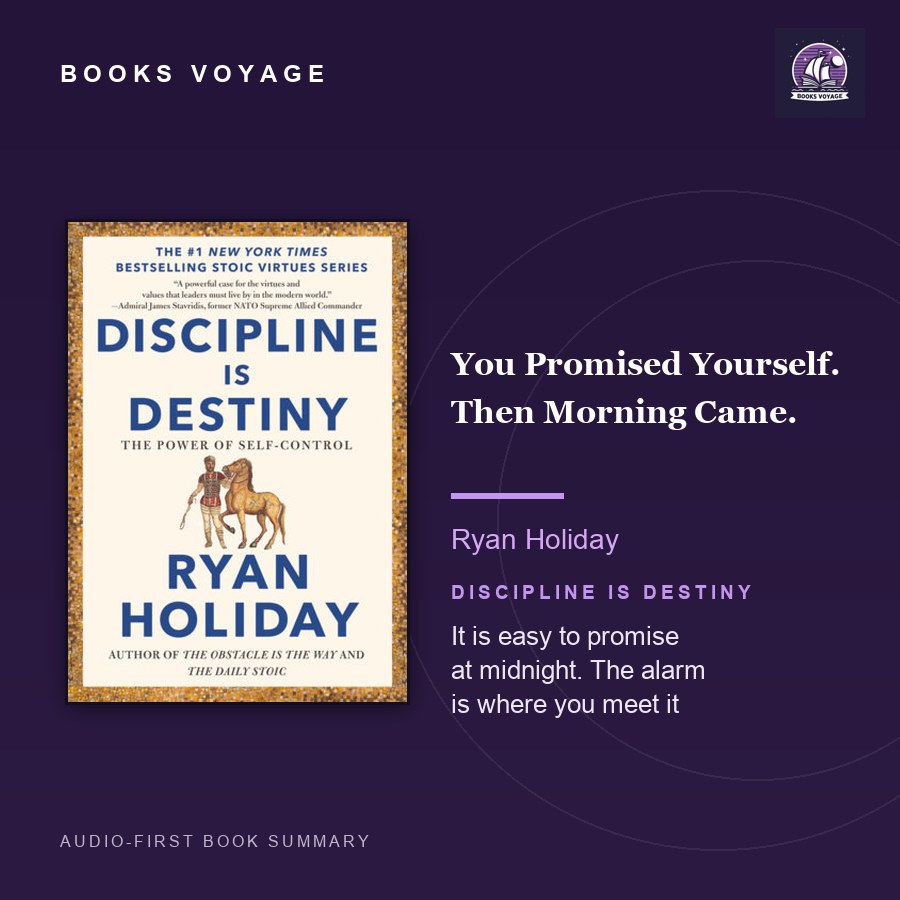
Ryan Holiday on self-control: how we act, where we put our attention, and how we respond. It also makes room for restraint, because ambition can become excess too.
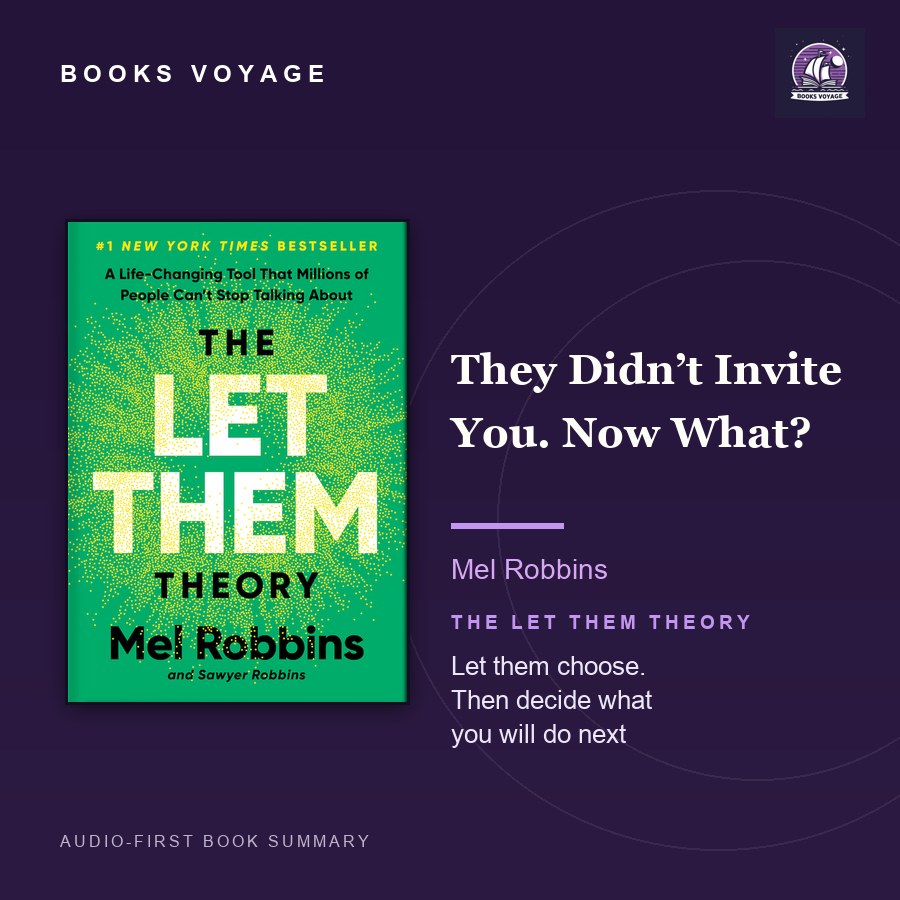
The Let Them Theory · Mel Robbins with Sawyer Robbins
Two ideas paired: let other people make their choices, then decide what you will do next. Ask the question, make your own plans, and put time into friendships that feel mutual.
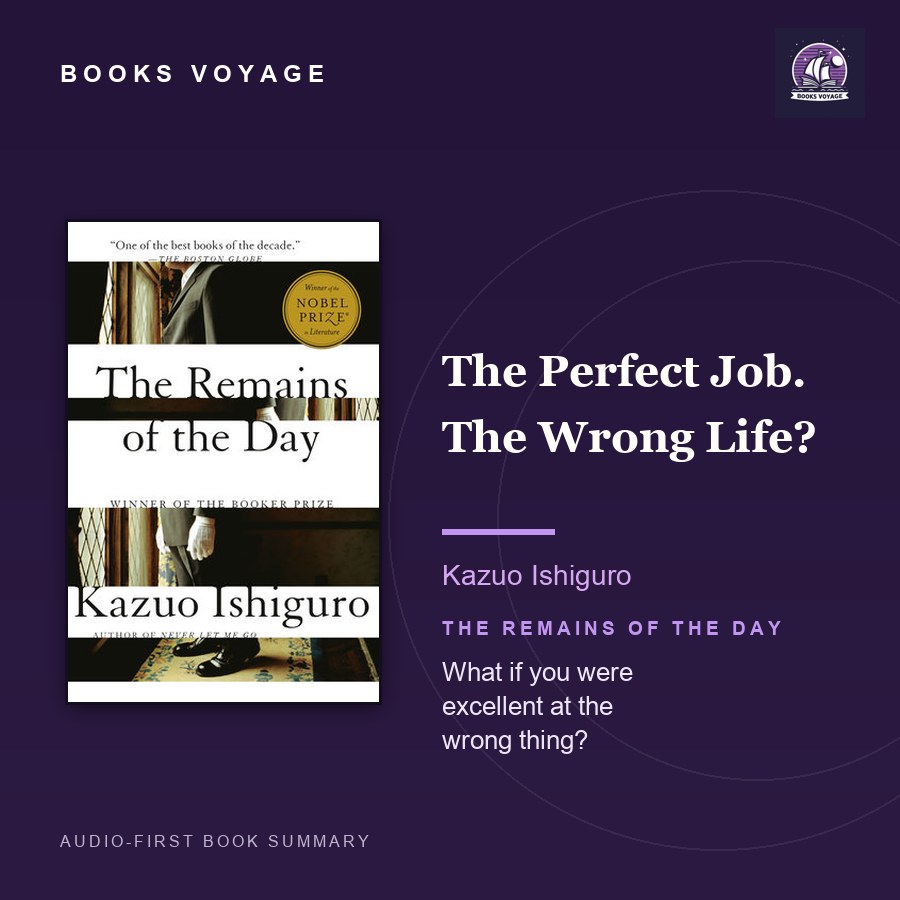
Stevens has built his identity around perfect service. A journey through England makes him question the man he trusted, the love he suppressed, and the memories he uses to defend his choices.
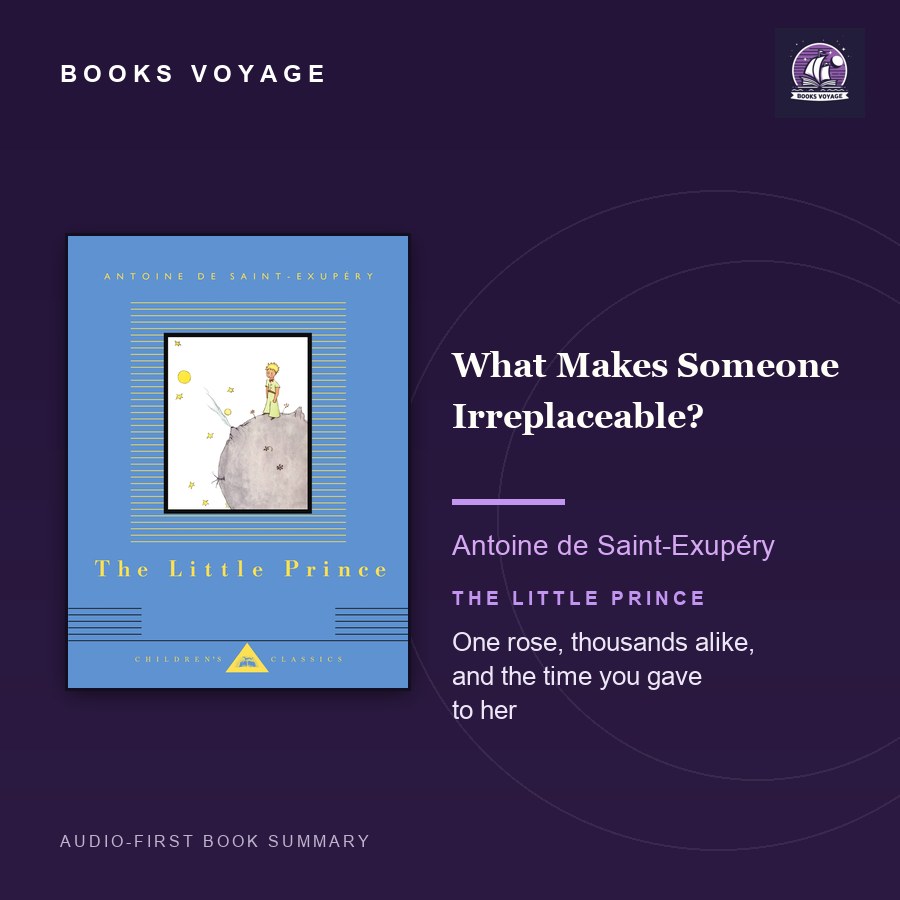
The prince’s journey runs from his tiny planet through the lonely world of grown-ups to the fox’s lesson about connection and the bittersweet cost of caring.
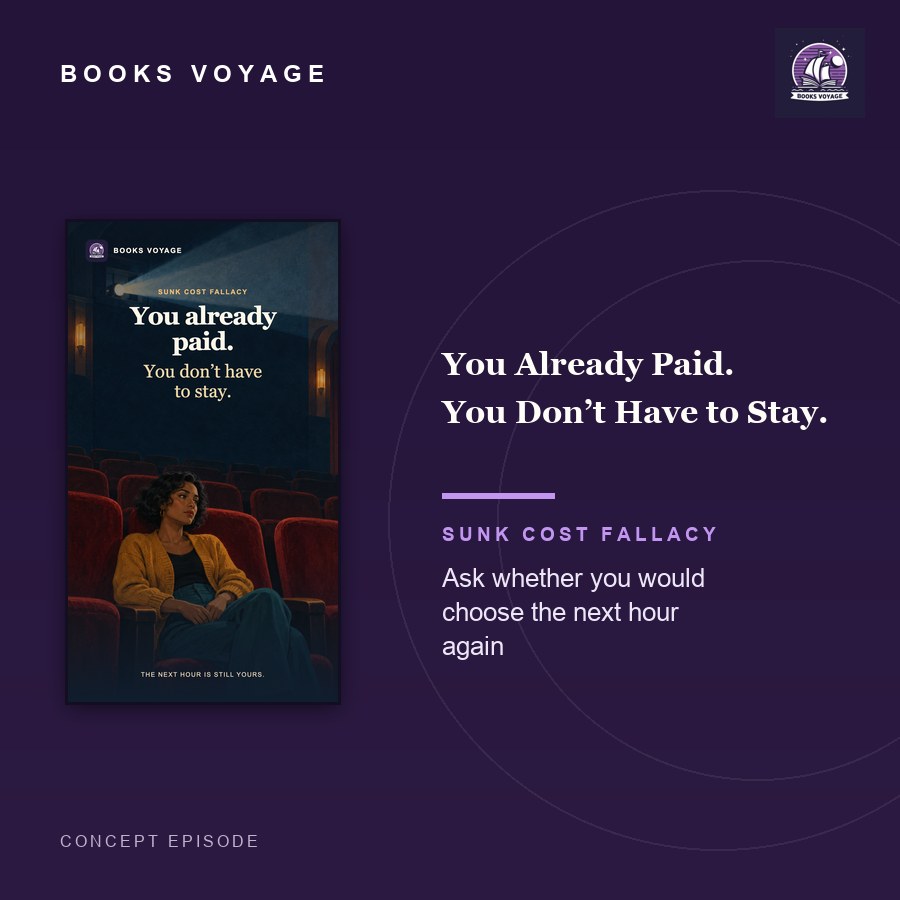
You hate the movie but stay because you paid for the ticket, and now you have lost the money and the evening. Before giving something another hour, ask whether you would choose that hour again.
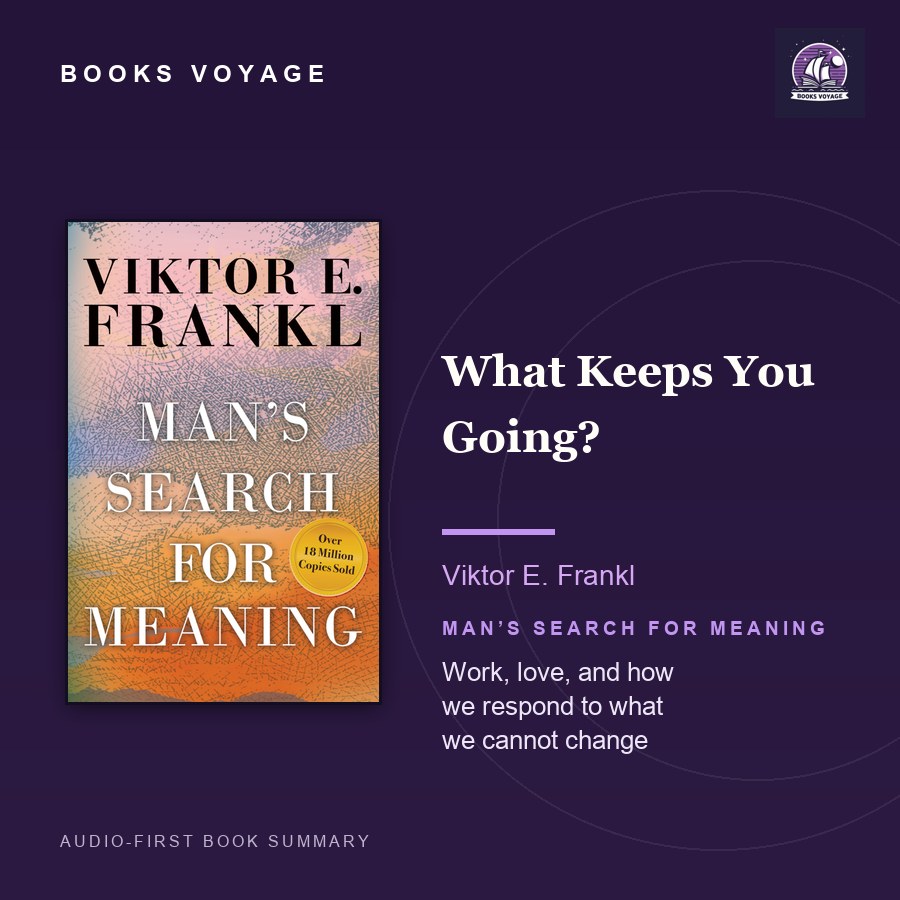
Frankl moves from his experiences in Nazi concentration camps to logotherapy and the human search for meaning, exploring work, love, responsibility, and how we respond to suffering we cannot avoid.
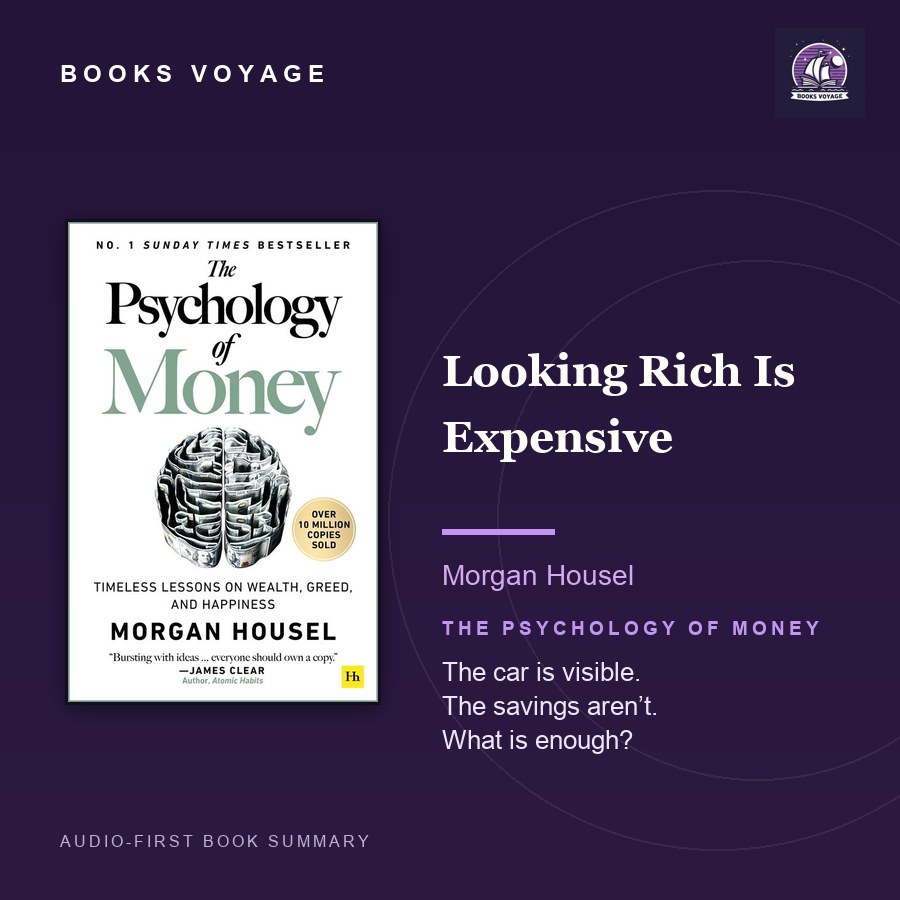
Looking successful can come at the expense of building wealth. Housel explores behavior, luck, patience, knowing when you have enough, and the freedom to choose how you spend your time.
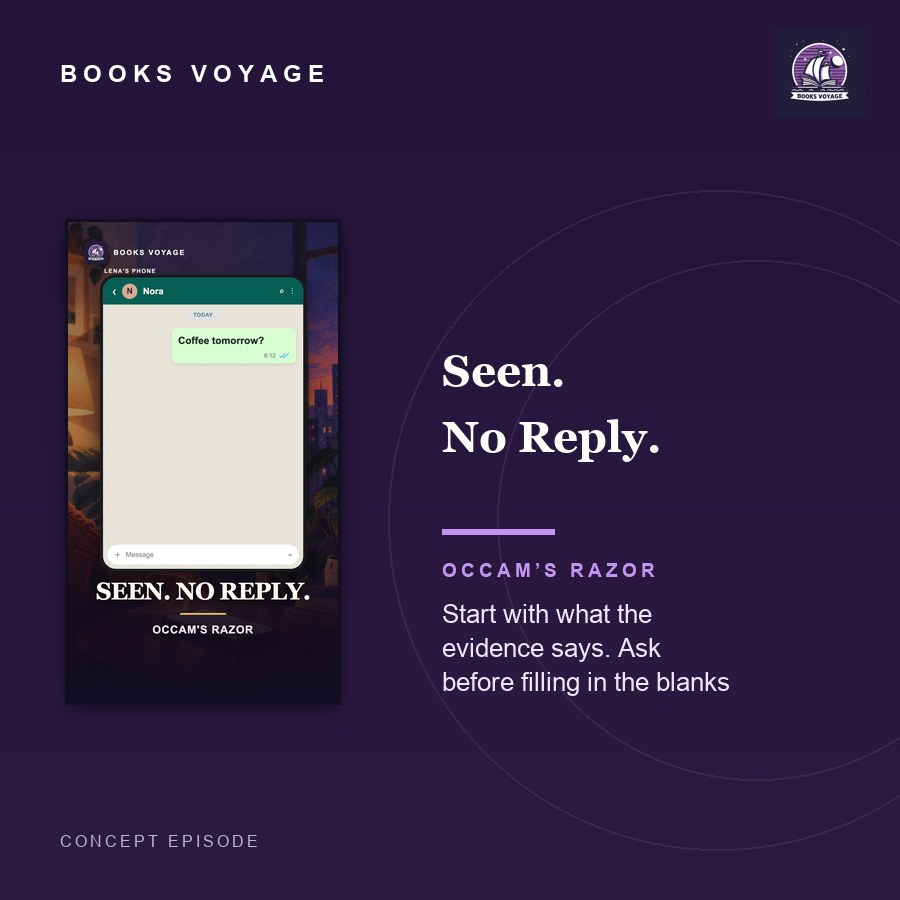
Lena sees that Nora read her message and does not reply. By midnight, she has invented a whole falling-out. Start with what the evidence says, and ask before filling in the blanks.

 72 sec